Navigating Cancer: Essential Strategies for Wellness and Support in Oncology Care
Navigating a cancer diagnosis can feel like standing at the edge of an uncharted sea, waves of uncertainty crashing around you. But within these turbulent waters lies not just fear, but potential for empowerment and healing. Embracing holistic approaches to cancer wellness can create a pathway through this storm. From understanding the intricacies of oncology to adopting lifestyle changes that fortify your body, mind, and spirit, healing becomes more than just a medical procedure—it evolves into a multifaceted journey of wellness and awareness.
When we talk about carcinoma and tumors, we often focus purely on the biomedical aspects—treatments, clinical trials, and survival rates. But what if we shifted our lens? As a patient navigating cancer, the emotional and psychological layers of this experience are equally crucial. "Wellness is not merely the absence of disease; it is the presence of vitality," said the renowned author and medical researcher, Dr. Andrew Weil. By incorporating mindfulness in cancer care, patients can cultivate a stronger sense of self amid the chaos of malignancy treatment. How can you address your emotional wellbeing while facing this formidable diagnosis?
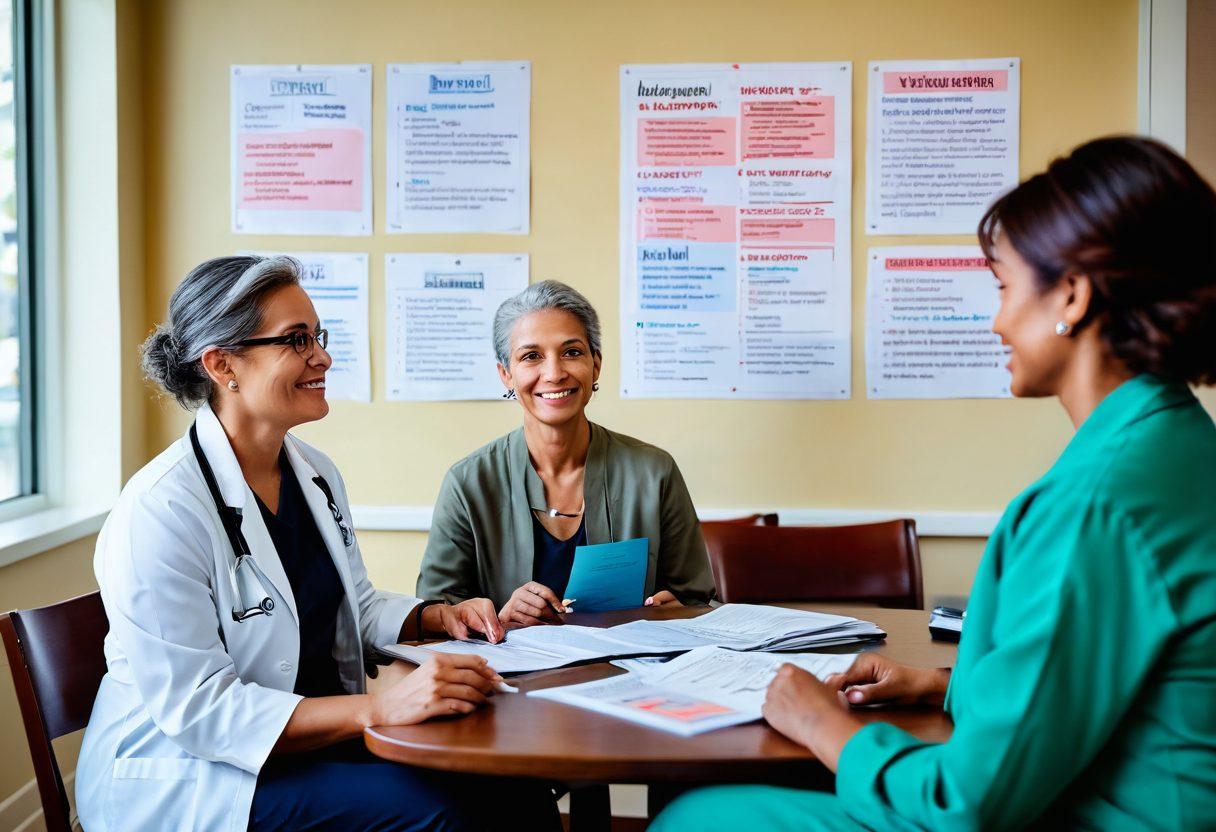
Support groups often become sanctuaries for those sailing in similar boats. Connecting with others who understand the intricacies of cancer can help foster a sense of community and belonging. These spaces allow for shared stories, strength, and even laughter—a reminder that humanity thrives in connection. Cancer awareness is built on the foundation of shared experiences. Imagine attending a session and hearing someone's account of how mindfulness practices helped them during treatment. How might sharing your own story inspire another?
As you explore your own healing journey, consider the importance of health education. Knowledge is power, especially when navigating cancer. It equips patients to make informed decisions about their treatment plans, lifestyle changes, and even which clinical trials to consider. There are myriad resources available today, from webinars to survivor resources that guide you through the challenges of remission and beyond. What knowledge can you seek to bolster your path toward wellness?
Ultimately, embracing a holistic approach to cancer wellness is about carving a unique path that honors your entirety—body, mind, and spirit. While oncology is undoubtedly a central pillar of your care, integrating practices like yoga, nutrition, and mindfulness can enhance your overall healing experience. Each step toward wellness is a step toward reclaiming your narrative in this process. As you navigate cancer, remember: your journey is as much about thriving as it is about surviving. Are you ready to take charge of your wellbeing?
From Diagnosis to Remission: Key Strategies for Navigating Oncology Challenges
Navigating the journey from cancer diagnosis to remission can often feel like traversing an uncharted territory filled with unknowns. When the word ‘carcinoma’ enters your life, everything changes. It’s not just a term; it represents a challenge, a battle against a malignancy that tests the limits of your strength, willpower, and resilience. But amidst the fear and uncertainty, there lies hope and the opportunity for wellness. In this blog, we will explore key strategies for navigating oncology challenges, from medical research to lifestyle changes, empowering you and your loved ones to take charge of this journey.
First and foremost, it’s essential to have a solid understanding of your diagnosis and treatment options. Knowledge is empowerment. Ask questions! Don’t hesitate to be your own advocate in healthcare decisions. For instance, you might wonder, 'What are the latest advancements in tumor treatment?' or 'How do clinical trials work?' Engaging with your healthcare team openly and proactively can unveil the pathways to effective treatment and survivorship resources. Most importantly, remember that you’re not just a statistic; you are a unique individual deserving of personalized care and attention.
As you navigate this intricate web of healthcare, consider incorporating holistic health approaches into your regimen. Mindfulness in cancer care can play a pivotal role in maintaining emotional and physical well-being. Imagine starting your day with meditation or engaging in gentle yoga to alleviate stress. These lifestyle changes can significantly enhance your quality of life. Plus, participating in support groups can provide companionship, allowing you to share experiences and resources with others facing similar battles. Quotes like 'We rise by lifting others' resonate deeply in these moments of camaraderie and healing.
Moreover, don't underestimate the power of wellness through nutrition. Nutritionists suggest that a balanced diet can help fortify your body against the side effects of treatment. What does that mean practically? Think vibrant colorful fruits and vegetables, lean proteins, and whole grains! Fueling your body well is one of the most proactive disease prevention strategies you can adopt. Pairing this with regular exercise, even just a brisk walk in nature, can uplift your spirits and enhance your physical health, supporting you on your healing journey.
Finally, as you progress through your ongoing treatment, remain open to the wealth of resources available to aid your survivorship. From cancer awareness initiatives to engaging in medical research projects, the opportunities to connect, learn, and share are vast. Each small step taken toward understanding and advocacy can cumulatively lead towards greater wellness. So ask yourself: How can I take my next step in this journey? Keep your heart open and recognize that remission is not just a destination; it's a lifestyle embraced through continuous learning and community support.
Support Systems: Building an Effective Network for Cancer Care and Healing
When navigating cancer, the journey can often feel like a daunting maze, filled with uncertainty and fear. The diagnosis of a malignancy, such as carcinoma or a tumor, brings about a whirlwind of emotions and questions. How do I cope? Who can I rely on? These early inquiries are crucial, as establishing a robust support system can significantly impact your overall wellness and healing. In the world of oncology, intentionally surrounding yourself with the right people transforms what can be a solitary battle into a shared experience. Let's explore how to effectively build this vital network of care and compassion.
Imagine for a moment waking up to a diagnosis that turns your world upside down. For many patients, that moment is a turning point, often met with confusion and vulnerability. However, as you begin to navigate cancer, consider reaching out to those who can provide patient support. Family members, friends, coworkers, and even acquaintances can play roles you might not yet envision. Support groups dedicated to cancer awareness and survivorship resources can also offer an essential lifeline, allowing you to connect with others whose experiences are similar to yours. How might their strength and stories inspire your journey toward healing?
As you gather your support system, think about what each person can provide. Some may offer emotional support while others share practical advice about healthcare or navigating clinical trials. Holistic health and lifestyle changes such as adapting your diet or integrating mindfulness in cancer care can also be better embraced with the guidance of those who understand your unique challenges. What's your strategy for incorporating loved ones into your recovery plan? Do you feel comfortable leaning on them, or does the idea feel overwhelming?
It's important to remember that building your support system is not just about receiving help but also about mutual exchange. The relationships you cultivate can be deeply rewarding for both sides. Consider how you can offer support as well; perhaps by sharing insights from medical research or your own personal journey through the maze of treatment options. This dynamic can foster healing not just for you, but also for those in your network. What could a shared experience teach you both about resilience and strength?
Lastly, remember that your journey through cancer and into remission is unique. It may require adjustments in your support structure as you progress. Stay open to new connections with fellow patients, advocates, and professionals in the healthcare system. Engaging in health education and community initiatives about cancer can remove barriers while amplifying awareness and understanding. What new friendships or networks are waiting for you on the other side of fear? The key is to actively seek these relationships, inspire others with your story, and remind yourself that you are not alone as you navigate cancer.